The New Republic
Skip Navigation
The New Republic
The New Republic
LATEST
BREAKING NEWS
POLITICS
CLIMATE
CULTURE
MAGAZINE
NEWSLETTERS
PODCASTS
GAMES
The New Republic
The New Republic
The New Republic
The New Republic
The New Republic
LATEST
BREAKING NEWS
POLITICS
CLIMATE
CULTURE
MAGAZINE
NEWSLETTERS
PODCASTS
GAMES
The New Republic
The New Republic
The New Republic
Breaking News
Breaking News
Judge Orders Trump Administration to Return Wrongly Deported Man
Justice Served
Hafiz Rashid
Judge Orders Trump Administration to Return Wrongly Deported Man
The Trump Administration Just Violated Another Court Order
Law and Order?
Hafiz Rashid
The Trump Administration Just Violated Another Court Order
Trump’s Tariff War Tanks Stock Market Even Further
Ellie Quinlan Houghtaling
Trump’s Tariff War Tanks Stock Market Even Further
Trump Has Bonkers Theory for How Tariffs Will Save TikTok
Edith Olmsted
Trump Has Bonkers Theory for How Tariffs Will Save TikTok
The Latest Victims of Trump’s Tariffs: Gamers
Game over
Malcolm Ferguson
The Latest Victims of Trump’s Tariffs: Gamers
Pathfinding
Jason Linkins
The Fight for the Post-Trump Future Has Already Begun
How Democrats choose to confront DOGE’s corrupt destruction today will determine whether America recovers—and who will lead that recovery.
DIRECT HIT
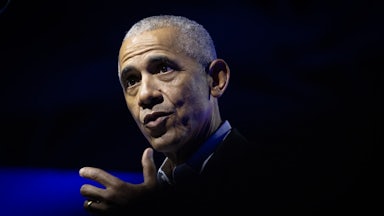
Obama’s Blistering New Takedown of Trump Gives Dems a Way Forward
Greg Sargent
DIRECT HIT
Greg Sargent
Obama’s Blistering New Takedown of Trump Gives Dems a Way Forward
Know-Nothing
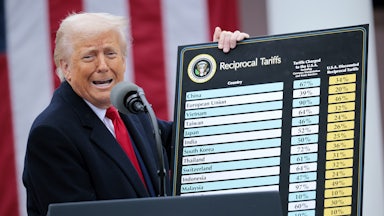
Donald Trump Really Is a Lot Dumber Than We Thought. Like, a Lot!
Michael Tomasky
Know-Nothing
Michael Tomasky
Donald Trump Really Is a Lot Dumber Than We Thought. Like, a Lot!
Know-Nothing
Donald Trump Really Is a Lot Dumber Than We Thought. Like, a Lot!
Michael Tomasky
Know-Nothing
Michael Tomasky
Donald Trump Really Is a Lot Dumber Than We Thought. Like, a Lot!
HE’S KOSHER
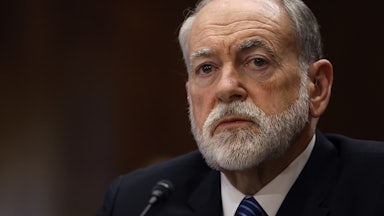
Palestinians Are Invisible to Mike Huckabee. To Trump, He’s Perfect.
Matthew Duss
HE’S KOSHER
Matthew Duss
Palestinians Are Invisible to Mike Huckabee. To Trump, He’s Perfect.
HE’S KOSHER
Palestinians Are Invisible to Mike Huckabee. To Trump, He’s Perfect.
Matthew Duss
HE’S KOSHER
Matthew Duss
Palestinians Are Invisible to Mike Huckabee. To Trump, He’s Perfect.
Mortal Blows
Michelle Williams Blooms Late in
Dying for Sex
Phillip Maciak
Mortal Blows
Phillip Maciak
Michelle Williams Blooms Late in
Dying for Sex
Mortal Blows
Michelle Williams Blooms Late in
Dying for Sex
Phillip Maciak
Mortal Blows
Phillip Maciak
Michelle Williams Blooms Late in
Dying for Sex
chaos cars
Here’s What Trump’s Tariffs Could Do to the U.S. Auto Industry
Kate Aronoff
chaos cars
Kate Aronoff
Here’s What Trump’s Tariffs Could Do to the U.S. Auto Industry
chaos cars
Here’s What Trump’s Tariffs Could Do to the U.S. Auto Industry
Kate Aronoff
chaos cars
Kate Aronoff
Here’s What Trump’s Tariffs Could Do to the U.S. Auto Industry
Promises Unkept
Trump Has Upended the Lives of Afghan Refugees
Grace Segers
Promises Unkept
Grace Segers
Trump Has Upended the Lives of Afghan Refugees